
World / News
COP31 Climate Talks: What Is Still Unresolved in Antalya?
COP31 enters its final negotiating days in Türkiye with climate finance, emissions cuts and support for vulnerable countries still being debated. Here is what the draft means.
Short Article
The COP31 United Nations climate conference is taking place in Antalya, Türkiye, from November 9 to 20, 2026. As of November 18, countries are still negotiating key decisions, and a final summit agreement has not been adopted.
A draft decision released during the second week includes different proposals for cutting greenhouse-gas emissions, helping countries adapt to climate impacts and financing the transition to cleaner energy. Delegates do not yet agree on every proposal. The conference presidency said on November 18 that negotiations on finance, adaptation, mitigation and a fair transition still need more work.
COP stands for Conference of the Parties. The annual meeting brings governments together to assess progress and negotiate responses to climate change. Its outcomes can affect energy policies and funding, particularly for countries already facing floods, droughts or rising seas.
The remaining days matter because governments must turn draft language into decisions they can accept. A draft is not a binding final deal. Readers should watch the official conference decisions rather than assume a proposed target has been agreed.
AVIRALON NEWS | World | Research updated November 18, 2026.
Watch and understand the COP31 negotiations
The official UN Climate Change COP31 conference hub includes recorded press conferences, negotiation briefings and video highlights. These recordings explain negotiators’ positions more fully than a short social-media clip. Check the recording date: negotiations were still continuing on November 18, 2026.
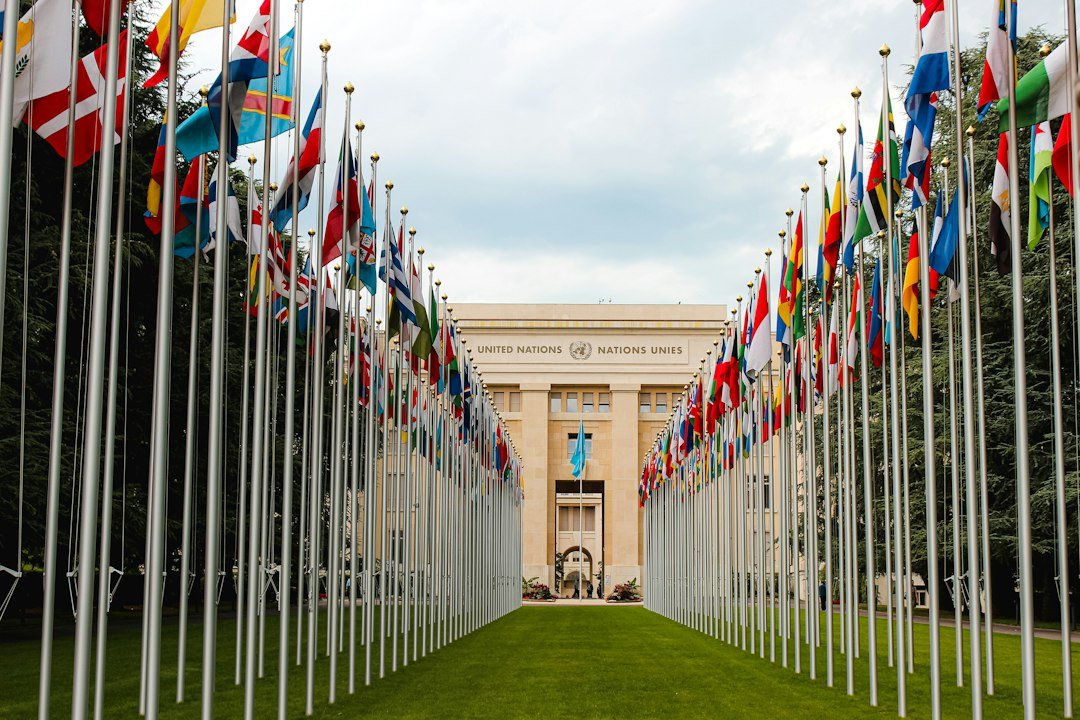
Featured image is an illustrative stock photograph of international flags, not an image captured at COP31. Photograph: Mathias Reding / Unsplash.
What is happening at COP31?
Government negotiators gathered in Antalya, Türkiye, for the 31st Conference of the Parties to the UN Framework Convention on Climate Change, known as COP31. The talks began on November 9 and are scheduled to end on November 20, 2026. The meeting is intended to turn international climate pledges into practical action, including decisions on finance and support for countries most exposed to climate risks.
As of November 18, negotiations were still under way. The COP31 presidency reported progress on some technical items but said difficult discussions continued on climate finance, adaptation, mitigation, and a just transition. A negotiating draft is not the same as an adopted decision. The outcome will depend on what governments can agree before the meeting closes.
What does the draft decision actually do?
Conference leaders circulated a draft cover decision on November 16. A cover decision is the political text that attempts to bring together key messages and commitments from the summit. This draft includes competing ideas and proposed language, which means some passages may change substantially or disappear.
The document discusses national climate plans, the effort to limit global warming, finance for developing countries and the shift toward lower-emission energy. It notes that 163 parties had communicated new national climate plans by November 9. That figure is part of the draft record; it does not establish that those plans are sufficient to meet temperature goals.
Countries must negotiate the wording. Simply appearing in a draft does not turn a proposal into a new international rule or guarantee that governments will act on it.
Why is climate finance so difficult?
Climate finance means money intended to help reduce emissions or protect people against the effects of a warming planet. It can include investments in cleaner electricity, improved flood protection, more resilient farming and early-warning systems.
Countries disagree over how much funding should be supplied, where it should come from and how it should be measured. Wealthier economies are often asked to support poorer and more vulnerable countries that contributed less to historical emissions but face significant climate impacts. Developing countries also want finance that is accessible and does not create unsustainable debt.
The questions are not just about an impressive total on paper. Negotiators must determine who provides support, which projects qualify and whether promised funding becomes money countries can actually use.
What are mitigation, adaptation and a just transition?
Mitigation means reducing the greenhouse gases that drive climate change. Examples include cleaner power generation, efficient buildings and lower-emission transport. Adaptation means preparing for climate impacts that are already occurring or expected, such as heat waves, storms and rising seas.
A just transition concerns the people and communities affected when economies move away from more polluting activities. Governments may need to consider retraining workers, supporting local businesses and making cleaner energy affordable.
These ideas are related, but they are not interchangeable. A plan to build renewable electricity may help reduce future emissions; stronger sea walls or emergency alerts can help communities withstand immediate hazards. Negotiators debate how to fund and implement both.
What is the proposed electricity target?
One proposal discussed during the summit concerns increasing electricity’s share of global final energy use to 35% by 2035. It has been presented as a way to encourage electrification of transport, heating and industry where cleaner electricity can replace fossil-fuel consumption.
The number is a proposal discussed in negotiations, not an agreed COP31 target as of November 18. Whether it appears in a final decision, and in what form, is still uncertain. Even if governments endorse a target, delivery would depend on national policies, grids, investment and the sources used to produce electricity.
Why does the summit matter outside the conference?
Climate decisions can influence infrastructure priorities and future public spending. For households, that might eventually affect energy costs, transport options or preparedness for extreme weather. For businesses, it can shape investment decisions. For small island and other vulnerable countries, support for adaptation and loss and damage is a pressing concern.
However, no single conference instantly changes local law. International decisions must often be followed by national policies, budgets and implementation. The gap between promises and real-world progress remains a central question for readers.
What happens next?
The remaining negotiation sessions are expected to focus on unresolved texts and attempts to find language acceptable to parties with different economic and environmental priorities. The presidency’s November 18 update indicated that more draft language would be developed as discussions continued.
Readers should distinguish a conference statement, a negotiator’s proposal and an adopted final decision. The most reliable way to track the outcome is through documents published by UN Climate Change once negotiations conclude. This article describes the situation on November 18, 2026, and should be updated if a final agreement is adopted.
ARTICLE REFERENCES
Sources & Links
Explore the original resources and supporting documents.
- UNFCCC COP31 conference informationunfccc.int
- UNFCCC COP31 Presidency mid-week update, 18 Novemberunfccc.int
- UNFCCC proposed COP31 cover decision draftunfccc.int
- UNFCCC transcript of negotiators' press conference, 16 Novemberunfccc.int
- IISD Earth Negotiations Bulletin COP31 daily reportingenb.iisd.org
External references open in a new tab. Please review the information at its original source.








AVIRALON NEWS / COMMUNITY
Comments (0)
Comments are moderated. Your comment will be reviewed by the AVIRALON editorial team before appearing publicly. Please keep the discussion respectful and relevant.
No approved comments yet.
Commenting will open after moderation and privacy checks are completed.