
World / News
WHO Tuberculosis Report 2026: Why 2.2 Million Cases Were Missed or Unreported
WHO estimates 10.6 million people developed tuberculosis in 2025, but 2.2 million cases were not diagnosed or officially reported. Here is what the 2026 report means.
Short Article
The World Health Organization's Global Tuberculosis Report 2026 estimates that 10.6 million people developed TB in 2025 and 1.13 million died. Only 8.4 million cases were diagnosed and reported, leaving an estimated 2.2 million either undiagnosed or unreported. This gap does not mean every affected person was never tested: access to care, delayed diagnosis and incomplete reporting can all contribute. WHO says rapid testing reached just 59% of newly diagnosed patients, while only 42% of people with rifampicin-resistant TB received treatment. Deaths have declined since 2015, but funding pressure and uneven access threaten further progress. Tuberculosis is generally treatable. Persistent cough, fever, night sweats or unexplained weight loss warrant professional evaluation. For policymakers, priorities include early diagnosis, complete treatment, prevention and sustained funding. The figures are 2025 estimates published in 2026.
The World Health Organization’s 2026 tuberculosis report contains two stories at once: important progress against a treatable disease, and a diagnosis gap that still leaves millions of people outside official case counts. WHO estimates that 10.6 million people developed tuberculosis (TB) in 2025. About 8.4 million were diagnosed and notified to health authorities, leaving an estimated 2.2 million cases either undiagnosed or unreported.
The WHO announcement, released on 12 November 2026, also estimates 1.13 million deaths from TB in 2025. These are estimates of what happened in 2025, not counts of new cases or deaths in November 2026.
Why can a preventable and usually curable disease still cause so much harm? The answer involves missed diagnosis, access to treatment, drug resistance, financing and the wider conditions that shape health. This article explains what the latest numbers do—and do not—tell us.
The Key Findings in the WHO’s 2026 Report
- 10.6 million people were estimated to have developed TB during 2025, including about 1.2 million children and young adolescents.
- 1.13 million people were estimated to have died from TB during 2025, including people living with HIV.
- 8.4 million cases were diagnosed and notified, approximately 2.2 million fewer than the estimated number of people developing TB.
- 59% of newly diagnosed patients received a WHO-recommended rapid diagnostic test, below the international target.
- 370,000 people were estimated to have developed rifampicin-resistant TB; only about 42% received treatment.
- 88% of the world’s estimated TB cases were concentrated in 30 high-burden countries.
These figures come from the WHO Global Tuberculosis Report 2026, its information sheet and its news release.
What Does the 2.2 Million ‘Missing’ Cases Figure Really Mean?
It is important not to interpret this as a confirmed list of 2.2 million people who were never tested.
WHO calculates the gap between its estimated total number of people who developed TB and the number of cases formally diagnosed and reported through health systems. Some people may never have reached a clinic. Others may have sought care but not been diagnosed promptly, or their diagnosis may not have appeared in official notification systems.
This distinction matters because fixing the problem requires more than purchasing additional testing equipment. Health services must also be accessible, affordable, able to identify possible TB cases, and capable of recording diagnoses accurately.
Illustrative example: Two people develop similar persistent respiratory symptoms. One visits a clinic with rapid testing and receives a prompt diagnosis. The other faces long travel, lost wages or a delayed referral. The second person may not appear in official treatment records, even though both contribute to the estimated disease burden. This is a hypothetical explanation, not an account of identifiable patients.
WHO’s estimates are assembled from countries’ reported data and additional statistical methods. The report drew on submissions from 187 countries and areas representing more than 99% of the global population and TB cases. Estimates have uncertainty; the rounded 2.2 million figure should not be treated as an exact headcount.
What Is TB, and How Is Infection Different From Disease?
Tuberculosis is caused by bacteria and usually affects the lungs, although other parts of the body can also be affected. It spreads through the air when someone with infectious lung TB releases bacteria, for example through breathing, talking or coughing.
There is a vital distinction between TB infection and TB disease. Many people with TB infection feel well and are not contagious. Only a proportion later develop TB disease, when bacteria cause illness. The risk is higher for some groups, including people whose immune systems are weakened. WHO explains the distinction in its tuberculosis questions and answers.
Common possible symptoms of TB disease include a prolonged cough, fever, night sweats, unexplained weight loss and fatigue. However, symptoms may be mild or absent. These symptoms can have other causes, so they cannot diagnose TB on their own.
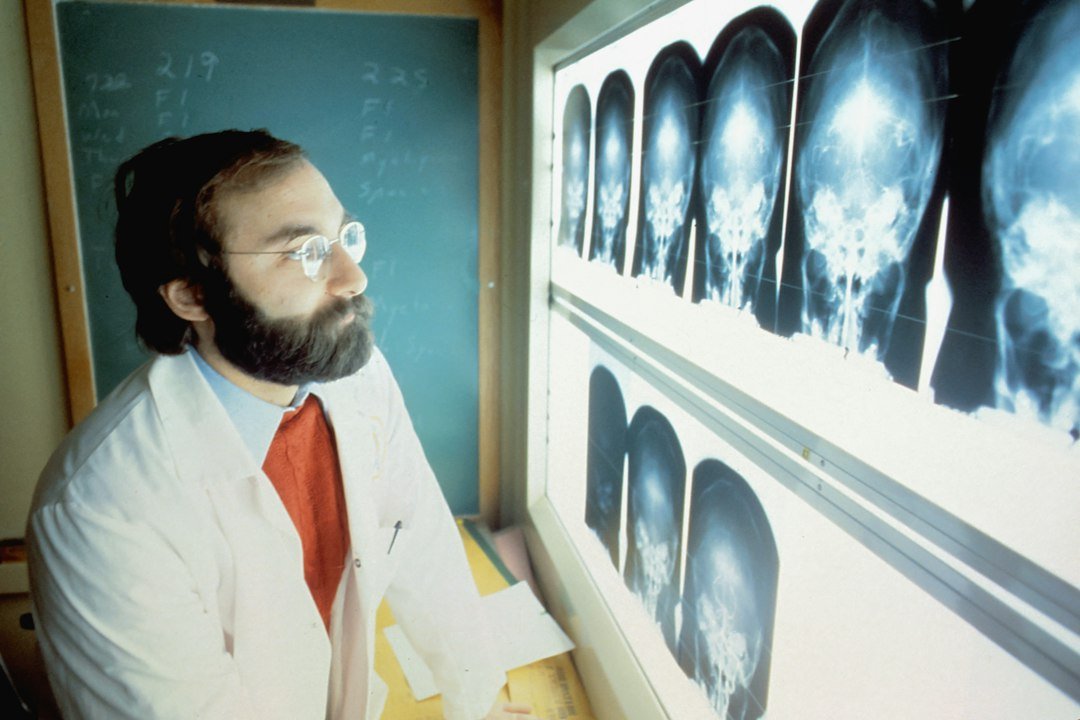
WHO recommends rapid tests as initial diagnostic tests for people with signs or symptoms of TB. Additional evaluation may be needed, including to identify drug resistance. A chest X-ray can help with screening, but a picture alone should not be portrayed as definitive proof of infection. See the WHO TB fact sheet for more detail.
Why Does Drug-Resistant Tuberculosis Make the Gap More Serious?
Some TB bacteria do not respond to particular medicines. Rifampicin-resistant TB is resistant to rifampicin, one of the most important first-line treatments. It overlaps with—but is not identical to—multidrug-resistant TB, which involves resistance to both rifampicin and isoniazid.
WHO estimates 370,000 people developed rifampicin-resistant TB in 2025, but only about 42% received treatment. That leaves a serious gap in access to effective care.
There has also been progress: among those treated for rifampicin-resistant TB, use of WHO-recommended six-month regimens rose from 18% in 2024 to 42% in 2025. This does not mean the treatment is suitable for every patient. A clinician must determine the appropriate regimen based on testing and medical circumstances.
Drug resistance is not a reason to abandon treatment. It is a reason to improve rapid diagnosis, ensure reliable medicine supply and support patients in completing their prescribed care. WHO discusses these challenges in the 2026 fact sheet.
Why Some Regions Are Progressing Faster Than Others
Global totals conceal substantial differences. Between 2015 and 2025, WHO estimates that TB incidence fell by 42% in its European Region and 30% in its African Region. Declines were smaller in South-East Asia, at 18%, and the Eastern Mediterranean, at 6.6%. The Western Pacific had no net change across that period, while the Americas recorded an increase.
These are comparisons of incidence rates—new cases relative to population—not simply counts of people diagnosed. Differences in health-system capacity, nutrition, HIV, diabetes, socioeconomic conditions and access to services all influence the pattern.
The WHO news release says the 30 countries with the largest TB burdens accounted for 88% of estimated disease in 2025. That concentration helps explain why improvements in a relatively small set of health systems can have global consequences. It does not mean TB is absent from other countries.
Funding Is Improving in One Area—and Worsening in Another
Funding shows another mixed picture. WHO reports that domestic financing for TB services in low- and middle-income countries increased by approximately 14% between 2024 and 2025, reaching about US$5.6 billion. But international donor funding fell by 14%, to approximately US$0.94 billion.
Some governments have used more of their own resources to maintain services as external support has weakened. Yet WHO estimates that US$22 billion per year is needed for TB prevention, diagnosis, treatment and care to meet international targets for 2027.
These figures have different scopes, so subtracting a single funding category from the global target would give a misleading picture of the financing gap. The central concern is whether programs can reliably finance tests, medicines, trained staff, preventive services and outreach over time.
Research funding adds a longer-term challenge. WHO reports US$1.2 billion in TB research and innovation funding in 2023, against an annual target of US$5 billion. Faster diagnostics, improved treatment and more effective vaccines all depend on sustained research and responsible rollout. WHO financing data and targets provide the official context.
What Can People Do With This Information?
The report is primarily a guide to public-health needs, not a diagnosis of any particular person. Nevertheless, the same evidence supports a few practical, low-risk takeaways:
- Know when to seek help. A prolonged cough, persistent fever, unexplained weight loss or night sweats warrants medical assessment rather than guessing the cause.
- Take known exposure seriously. If someone in your household or another close setting has infectious TB, ask a healthcare professional or local public-health service whether screening is advised.
- Use professional testing. A symptom checklist or a photograph of an X-ray cannot confirm TB. Clinicians can choose appropriate tests and interpret their results.
- Follow prescribed care. TB is usually curable, but treatment decisions and any changes should be made with a qualified clinician; stopping medicines without medical advice can create serious problems.
- Reduce stigma. TB is an infectious disease, not a personal failing. Respectful communication can make it easier for people to seek diagnosis and support.
Household contacts and other people at increased risk may also be eligible for screening or preventive treatment, depending on clinical assessment and local guidance. WHO’s patient-facing Q&A and the official fact sheet explain these options.
What Should Policymakers and Health Systems Prioritize?
From the reported gaps, four priorities stand out: expand prompt and accurate diagnosis; ensure people can receive and complete effective treatment; reach high-risk groups through accessible preventive care; and protect long-term financing and research. These are editorial priorities informed by WHO’s stated recommendations, not claims that a single intervention will solve TB everywhere.
Progress is real. WHO estimates TB deaths have fallen by 35% since 2015, and effective diagnosis and treatment have averted approximately 86 million deaths since 2000. But the organization says the incidence decline since 2015 remains far behind its global goals.
The report does not establish that every country will reach its targets, nor does it promise that new medicines or vaccines will solve access barriers immediately. The full outcome depends on how consistently countries can translate recommendations into actual services.
The Bottom Line
WHO’s 2026 tuberculosis report is neither a story of failure nor a victory announcement. The world has reduced deaths, expanded treatment and improved some services. At the same time, an estimated 2.2 million people who developed TB in 2025 were not captured in official diagnosis and notification totals, while drug resistance and funding pressure threaten further gains.
The most useful takeaway is straightforward: faster testing matters, but it must be connected to accessible care, reliable reporting, supported treatment and prevention. Improving that entire pathway—not any single number—is what turns scientific progress into lives saved.
Primary Sources and Further Reading
- WHO Global Tuberculosis Report 2026 — full report and data
- WHO news release, 12 November 2026
- WHO 2026 report information sheet
- WHO tuberculosis fact sheet, updated 12 November 2026
- WHO tuberculosis questions and answers
Editorial methodology: The statistics here refer to 2025 estimates published in WHO’s 2026 report. They are derived from national reporting and WHO analytical methods, not an independent AVIRALON patient survey. This article provides general information, not personal medical diagnosis or treatment advice.
ARTICLE REFERENCES
Sources & Links
Explore the original resources and supporting documents.
- WHO Global Tuberculosis Report 2026who.int
- WHO 2026 News Release: TB Progress and Fundingwho.int
- WHO Global TB Report 2026 Information Sheetwho.int
- WHO Tuberculosis Fact Sheetwho.int
- WHO Tuberculosis Questions and Answerswho.int
External references open in a new tab. Please review the information at its original source.










AVIRALON NEWS / COMMUNITY
Comments (0)
Comments are moderated. Your comment will be reviewed by the AVIRALON editorial team before appearing publicly. Please keep the discussion respectful and relevant.
No approved comments yet.
Commenting will open after moderation and privacy checks are completed.